Clarkdale, Arizona  ·  Verde Valley  ·  Est. 1912

One hundred years ago, they smelted copper here.
The gold is still in the pile.

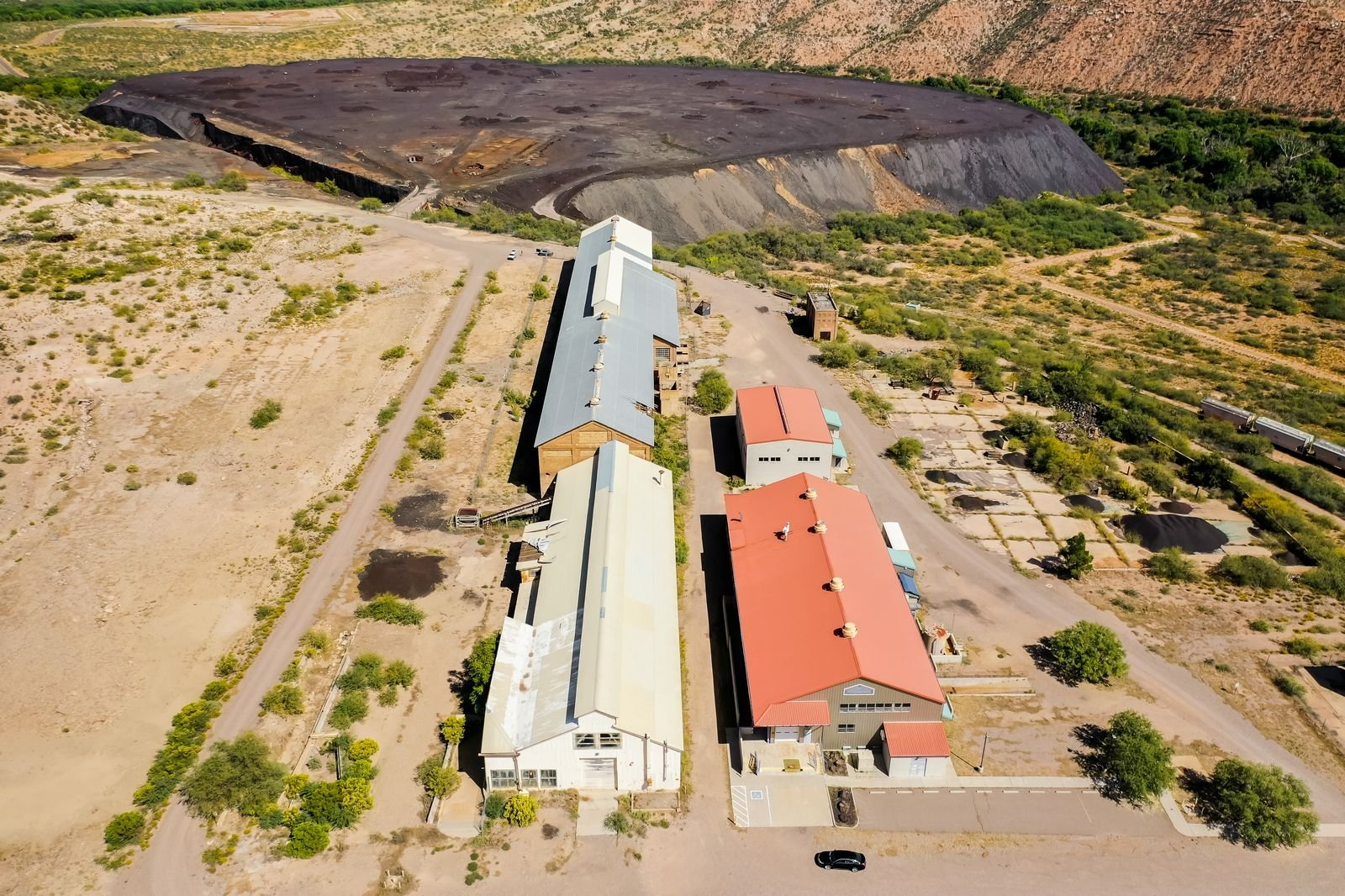
Beneath this mesa sits roughly 20 million tons of historic smelter slag — a century of United Verde ore, processed for copper, with everything else left behind. Modern extraction can recover what 1915 could not.

20.2M tons
Slag inventory
1913–1953
Smelter operating years
8+
Elements detected
0 drilling
It is already mined & crushed
The Site

A company town built on copper, and the mountain it left behind

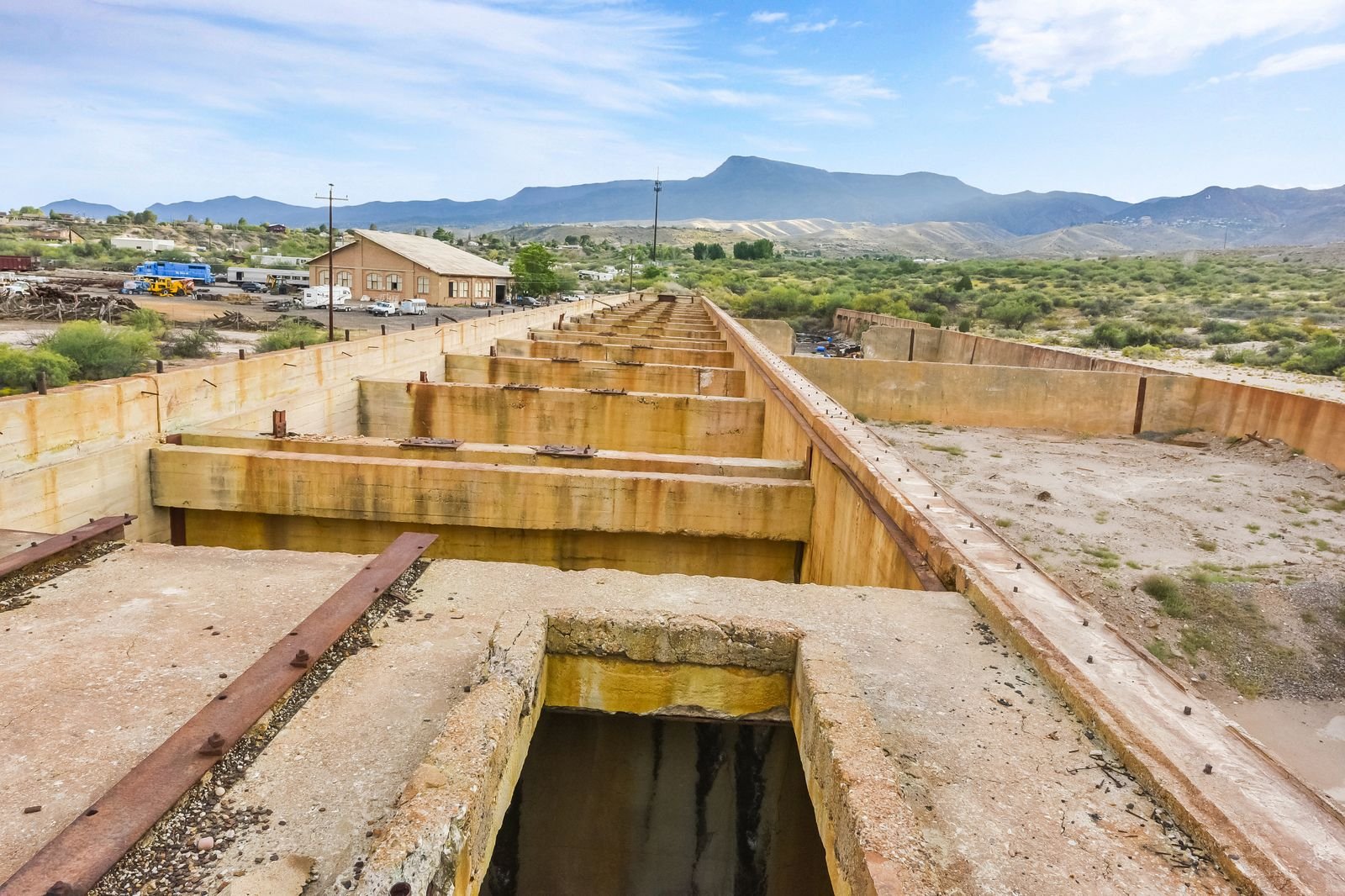
Clarkdale, Arizona was founded in 1912 by Senator William A. Clark — the "Copper King" — as a company town for his United Verde Copper Company smelter. Ore came down from the mines at Jerome; the smelter on the banks of the Verde River processed it from 1913 to 1953.

For forty years, the furnaces ran. By 1920 the plant produced more than 150,000 pounds of copper per day. Two great stacks — 400 and 430 feet tall — stood over the valley until the 1960s.

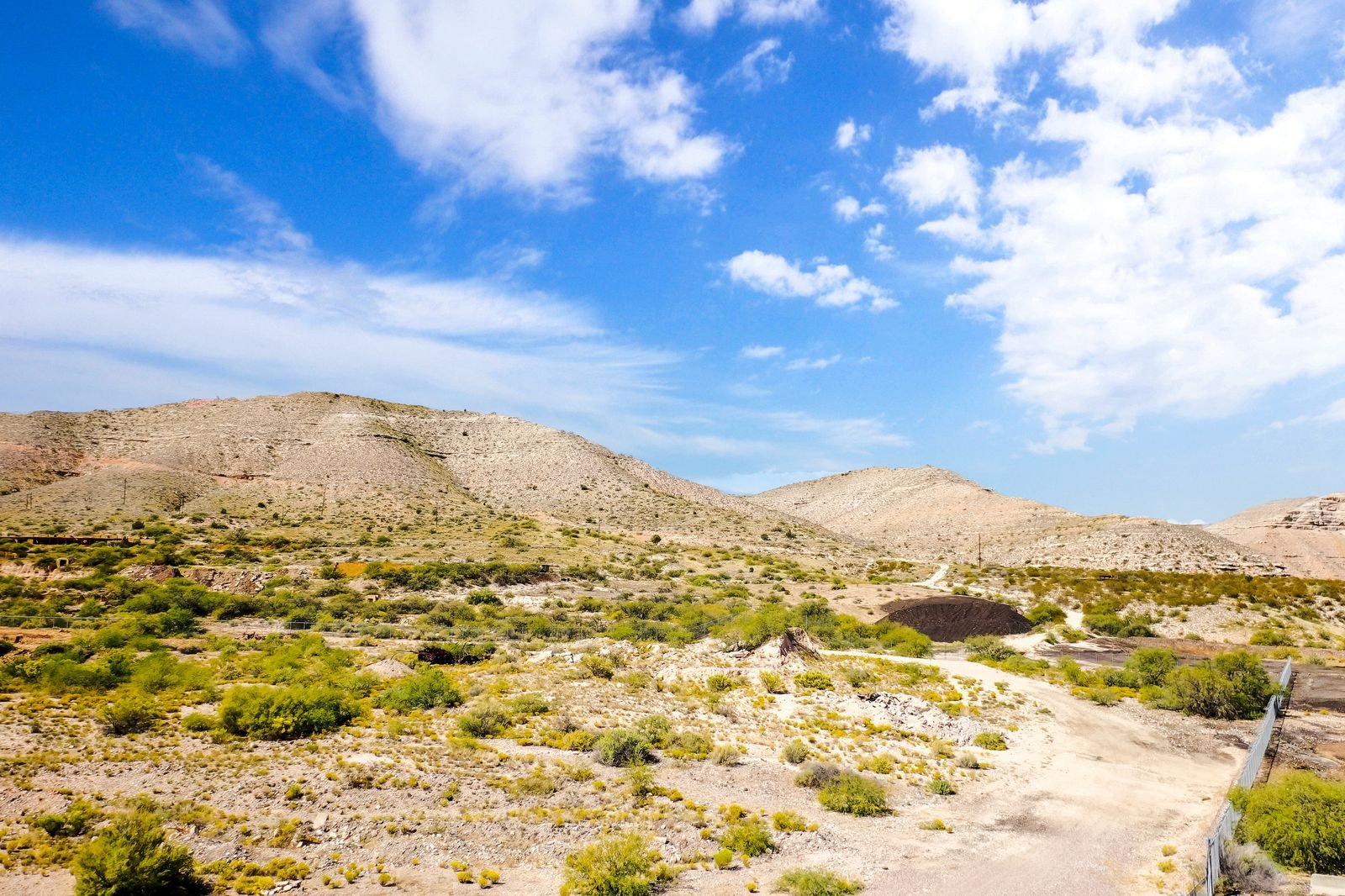
Everything the furnaces could not take, they poured out back. Over four decades that tailing became a mesa of vitrified slag: an estimated 20.2 million tons of it, sitting on the surface, already mined, already crushed by heat and time.

Early-1900s smelters recovered copper and left the rest. The slag still carries that legacy — iron, copper, zinc, and precious-metal values measured by modern instruments.

1876

First mining claims filed at Jerome, four miles southwest.

1912

William A. Clark founds Clarkdale as a planned company town; smelter construction begins.

1913–1953

United Verde smelter operates. Clarkdale becomes one of the most modern mining towns in the world — telephones, electricity, spring water, planned streets.

1920

Peak output: over 150,000 lb of copper per day.

1953

Smelter closes. The slag mesa remains — roughly 20.2 million tons.

1957

Clarkdale incorporates as a town.

2023–2024

Modern XRF and fire-assay sampling of the slag begins. Results below.
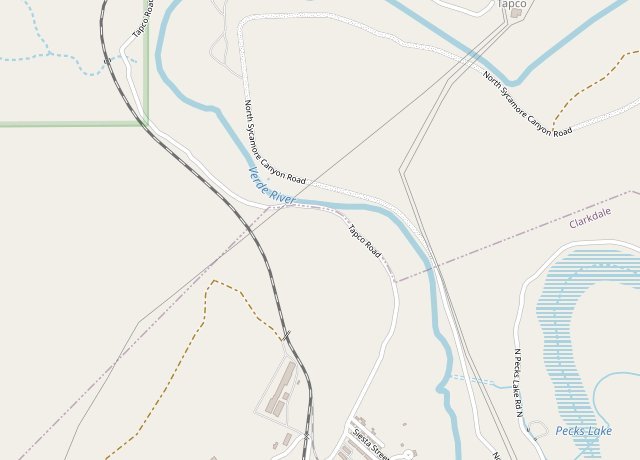
Location

The Ore Field, Clarkdale, Arizona

Map of the Clarkdale ore field area

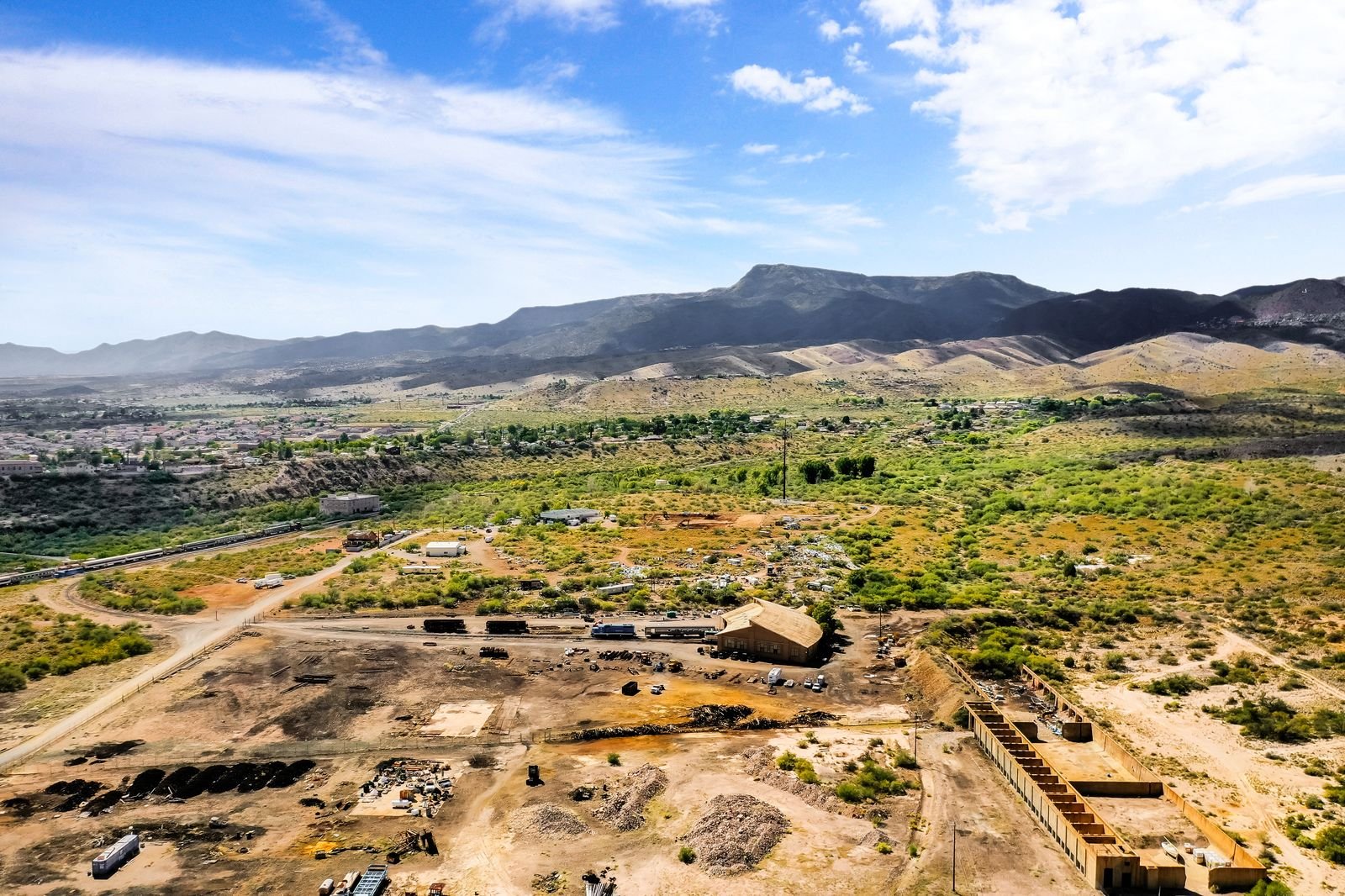
The slag deposit sits at the historic smelter site on the edge of Clarkdale, Yavapai County — 34.7850°N, 112.0548°W, about 4 miles from Jerome, 40 miles from Flagstaff, 90 miles from Phoenix.

Advantages that matter to a processing business:

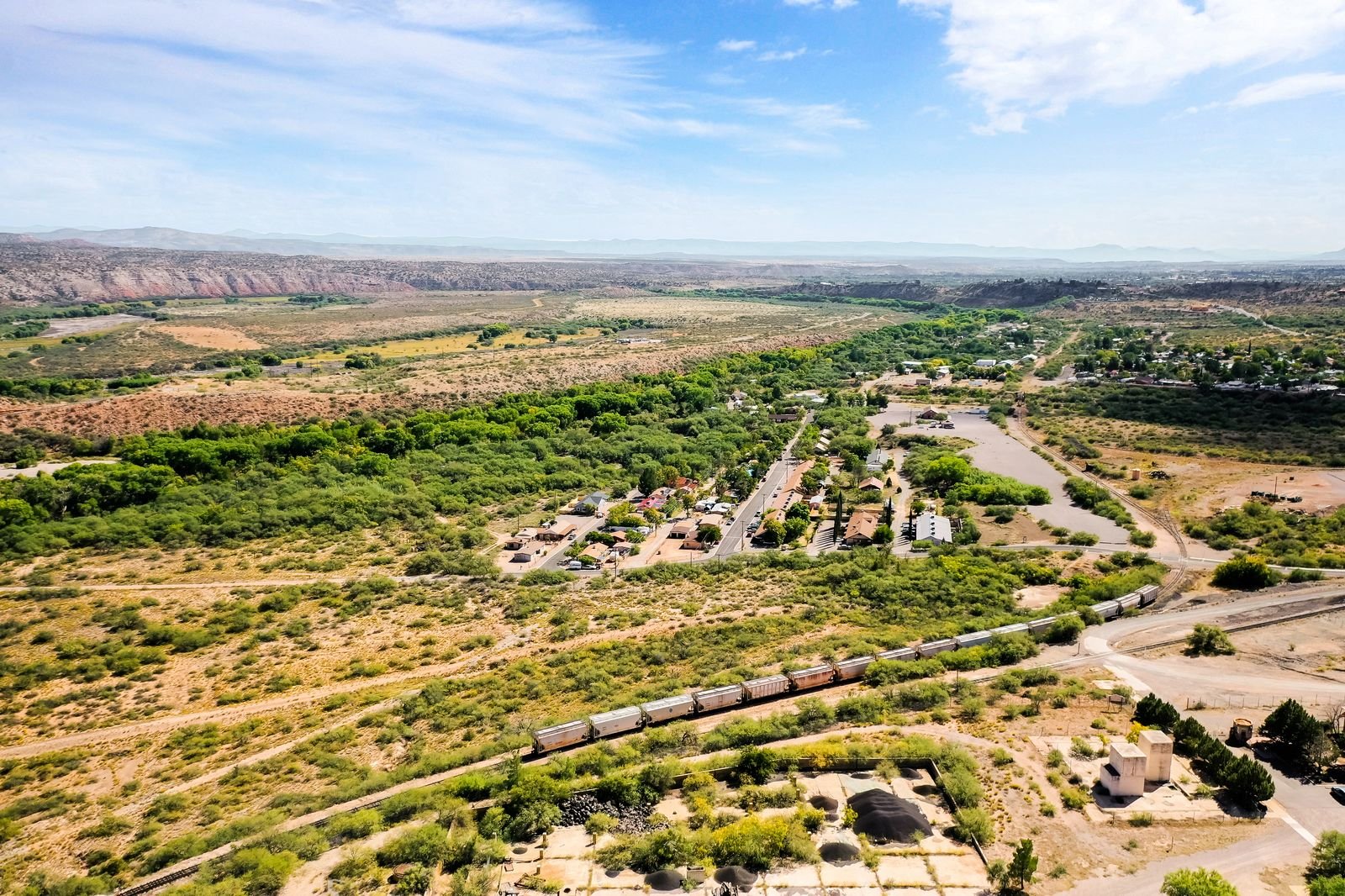
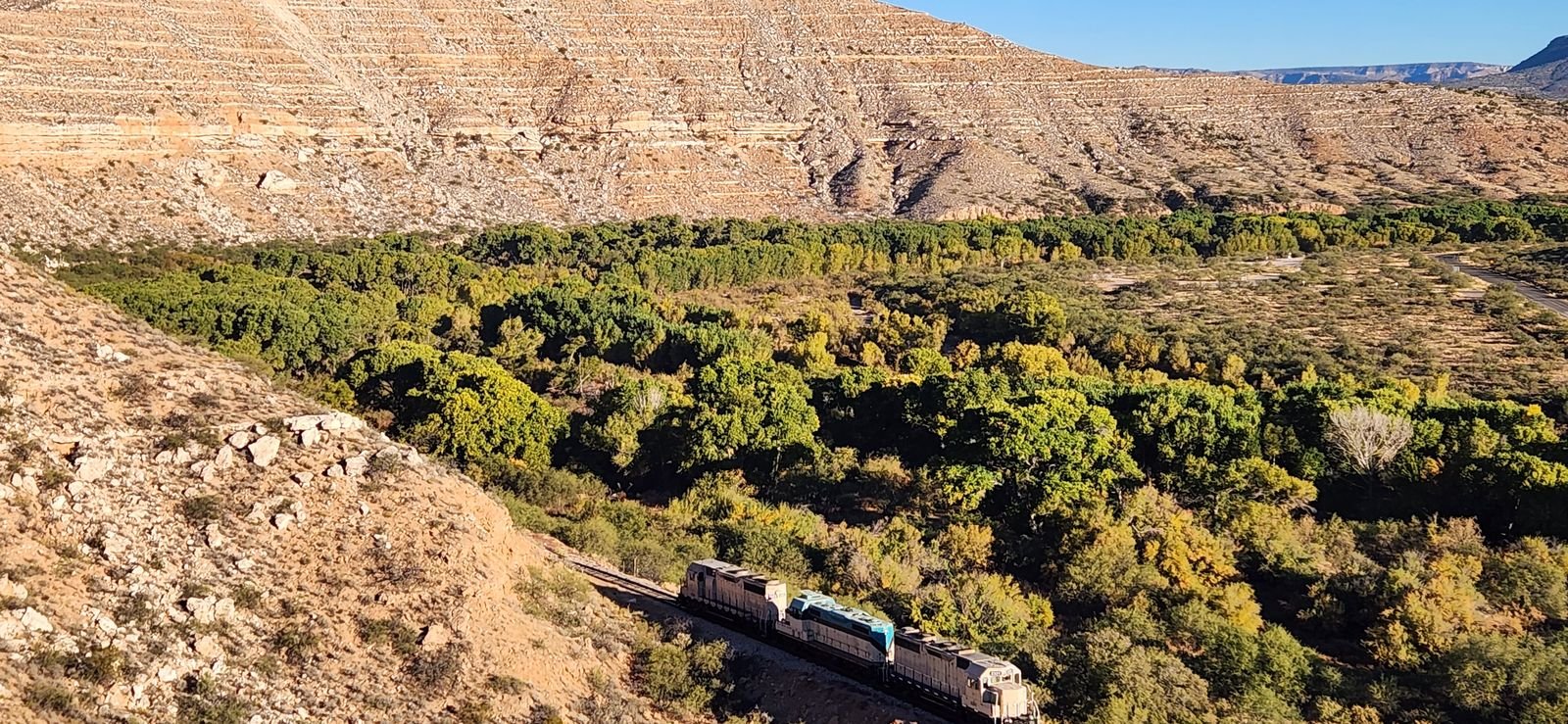
  • Rail adjacency — the historic Verde Valley Railroad line (1911–12) still serves the site corridor.
  • Surface deposit — no drilling, no blasting, no underground development. The material is already excavated and fractured.
  • Highway access — AZ-89A skirts the town; I-17 connects to Phoenix and Flagstaff.
  • Water — Verde River corridor on site.

View the Ore Field on Google Maps →

Laboratory Results

What the instruments actually found

Independent and on-site analyses of slag samples, 2023–2024. Values below are as reported by the named labs and instruments. Original documents are downloadable in the document vault.

0.4–0.5 oz/t

Gold

Fire assay (Atomic Absorption finish), Ray Grimmer Lab Service, 4/19/2023. Three samples: 0.461, 0.537, 0.413 oz Au/ton. Silver 0.34–0.40 oz/ton, plus platinum-group values.

~33% Fe

Iron

XRF, Thermo Fisher Niton XL5. Ground-slag readings 22.6–31.3 wt% Fe across Mining / Soils / Precious-Metals modes — roughly 6.7 million tons of iron in the pile.

0.34–0.45% Cu

Copper + base metals

XRF readings 3,365–3,925 ppm Cu; Zn 17,174–18,283 ppm; Mn, Ti, Mo, V present. Copper-smelter slag chemistry throughout.

ElementResultMethod / InstrumentDateLab
Gold (Au)0.413 – 0.537 oz/tonFire assay, AA finish2023-04-19Ray Grimmer Lab Service
Silver (Ag)0.339 – 0.400 oz/tonFire assay, AA finish2023-04-19Ray Grimmer Lab Service
Platinum (Pt)0.034 – 0.041 oz/tonFire assay, AA finish2023-04-19Ray Grimmer Lab Service
Palladium (Pd)0.011 – 0.017 oz/tonFire assay, AA finish2023-04-19Ray Grimmer Lab Service
Iron (Fe)22.6 – 31.3 %XRF (Niton XL5)2023-06-05On-site, Thermo Fisher
Copper (Cu)3,365 – 3,925 ppmXRF (Niton XL5)2023-06-05On-site, Thermo Fisher
Zinc (Zn)17,174 – 18,283 ppmXRF (Niton XL5)2023-12-12On-site, Thermo Fisher
Manganese (Mn)249 – 434 ppmXRF (Niton XL5)2023-06-05On-site, Thermo Fisher
Titanium (Ti)677 – 974 ppmXRF (Niton XL5)2023-06-05On-site, Thermo Fisher
Honest scope of the data: analyses to date are XRF screen-level and single-lab fire assays of selected samples — a strong indicator, not a feasibility study. Handheld XRF cannot quantify rare-earth elements; confirming REE potential requires ICP-MS whole-rock analysis, which is the next planned step. No mineral reserve has been estimated. The full lab documents are published unedited below.
The Business Case

The pile is the mine

Traditional mining spends years and hundreds of millions sinking shafts and moving waste before the first ounce. Here, the "ore" is already on the surface, already fragmented, and already assayed. The model below applies the 2023–24 assay values to the 20.2-million-ton inventory — a projection scenario, not a reserve statement.

MetalBasis (from assays)Contained metal (20.2M tons)Scenario value
Iron33% Fe (owner estimate from XRF range)~6.67M tons$3.2B
Gold0.01 oz/ton (conservative vs. 0.41–0.54 fire-assayed)~202,000 oz$437M
Silver0.1 oz/ton (conservative)~2.02M oz$50.5M
Copper0.34% Cu~68,700 tons$5.5M
Zinc1.8% Zn (XRF)~365,000 tons$1.2B

Scenario illustration at then-current reference prices (April 2024 worksheet), before recovery costs, processing losses, refining charges, and taxes. Contained-metal value ≠ recoverable value ≠ net value. Assay grades are from limited samples; the 20.2M-ton figure is the owner's estimate of the pile's mass. This table is not an offer of securities and not a NI 43-101 / JORC-style disclosure. Verify independently before any investment decision.

Why now

Iron, copper and zinc markets are structural-deficit stories. Urban mining — reprocessing historic waste — carries no exploration risk, permits faster, and qualifies for recycling incentives unavailable to virgin extraction.

Why here

Surface deposit, rail corridor, highway power, water on site, and a town that has lived with this pile for seventy years. Processing removes an environmental liability and returns land.

The next step

A systematic channel-sampling program and ICP-MS whole-rock suite across the pile, then process testwork (gravity / magnetic / hydromet separation). That converts these screen results into a bankable resource.

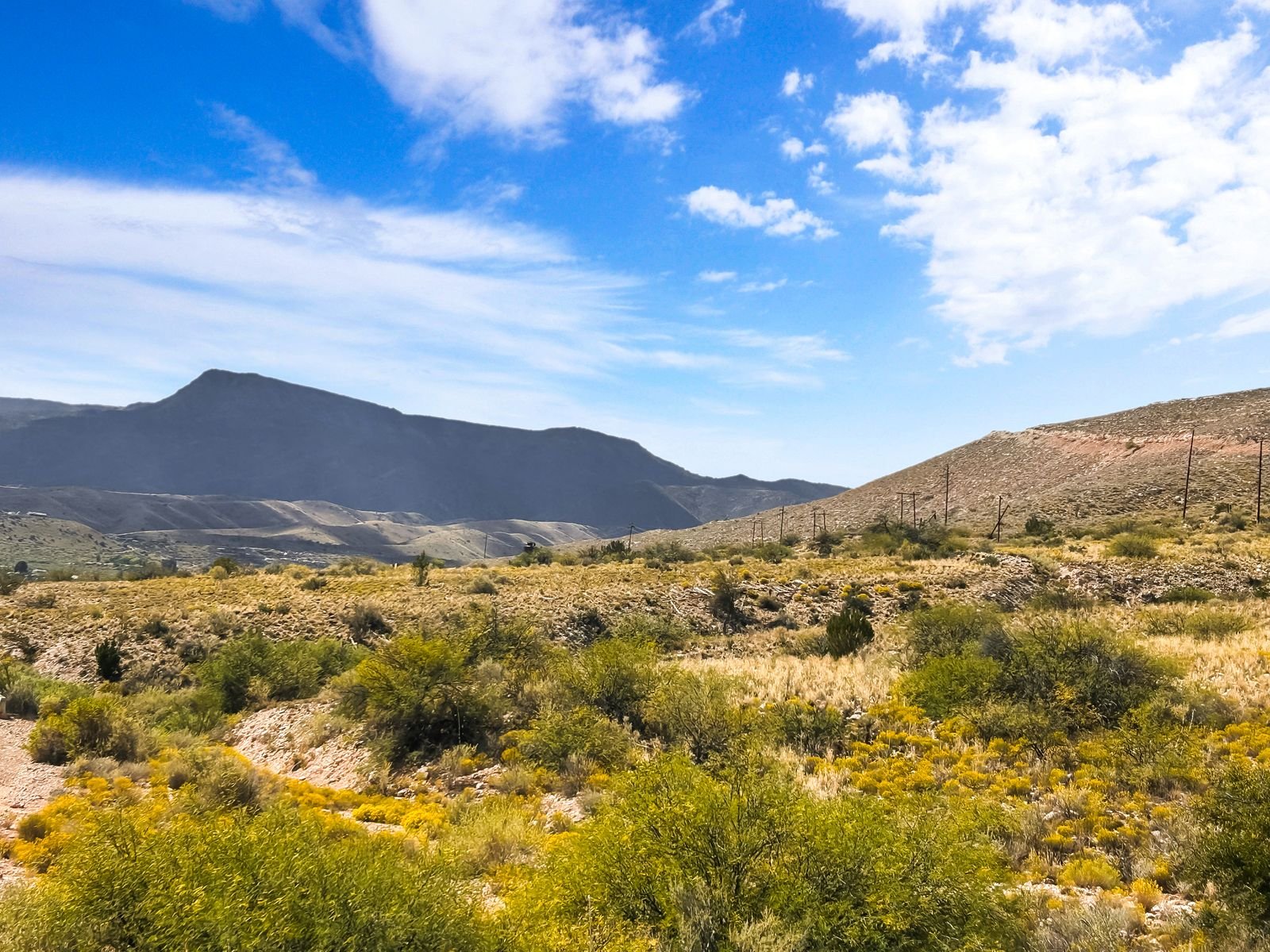
Aerial Survey

The site from above

Clarkdale Project — second survey flight
Clarkdale Project — third survey flight
Smelter site tour — October 2023
Smelter site tour — extended cut
Due Diligence

The documents, unedited

Every number on this page traces to one of these files. Click a document to read it right in your browser — spreadsheets open as formatted tables, lab reports as the original PDFs — or hit the ⬇ File button to download the original.

Next Steps

Talk to us about the pile

Seeking processing partners, offtake discussions, and qualified investors for the sampling and process-testwork phase.

Full data room — parcel records, title documents, historic mapping, and the complete document archive — available under NDA.

Send a message

Your message goes straight to the project team. We read everything.

Clarkdale Slag Project

Site: Ore Field, Clarkdale, Yavapai County, Arizona

Coordinates: 34.7850° N, 112.0548° W

This website is an information overview. Nothing here is an offer to sell securities or a guarantee of returns. All assay values are quoted from the named laboratories' reports, available in the document section above.

Urban MiningSlag ReprocessingClarkdale AZVerde ValleyHistoric SmelterResource Recovery